
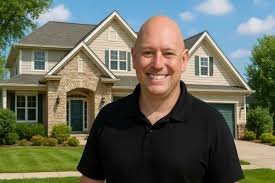
Let me be direct with you: manufactured homes are real homes, and they can be financed with real mortgages. Yet every week, borrowers come to me after being told by a single direct lender that their manufactured home “doesn’t qualify” — when the actual problem wasn’t the home, it was the lender’s limited product shelf.
I’ve spent years helping borrowers navigate manufactured home financing across FHA, VA, USDA, and conventional programs. The confusion in this space is real, and it’s understandable. Many buyers assume they’re stuck with a chattel loan — a personal property loan that typically carries higher interest rates than a mortgage secured by real estate. Others don’t realize that the difference between a mortgage and a chattel loan often comes down to a single administrative step: how the home is titled.
As an independent mortgage broker with access to 500+ wholesale lenders, I can shop your manufactured home loan scenario across multiple investors simultaneously — something a single-shelf direct lender simply cannot do. That access matters more for manufactured home financing than almost any other loan category, because not every investor buys manufactured home paper. Program availability is lender-specific, and broker independence is a material advantage.
In this article, I’ll walk you through FHA Title II, VA, USDA, and conventional options for manufactured homes — including exact eligibility requirements, a real dollar example, and the pitfalls that derail deals before they close. And if you want to explore your options without triggering a hard credit inquiry, a soft credit pull mortgage review is all it takes to get started.
By Duane Buziak, NMLS #1110647 | Coast2Coast Mortgage LLC NMLS #376205 | Licensed in Virginia, Florida, Tennessee & Georgia.
Real Property vs. Personal Property: The Classification That Changes Everything
Before we talk about any specific loan program, we need to talk about title classification — because this single factor determines whether your manufactured home is eligible for mortgage financing at all.
A manufactured home can be titled in one of two ways: as personal property (like a vehicle) or as real property (like a house). When a home is titled as personal property, financing options are limited to chattel loans — personal property loans that typically carry higher interest rates, shorter terms, and less consumer protection than mortgage loans secured by real estate. When a home is titled as real property and permanently affixed to land the borrower owns, it becomes eligible for FHA, VA, USDA, and conventional mortgage programs.
The conversion process from personal property to real property involves three key steps. First, the home must be permanently affixed to a foundation that meets program-specific standards. Second, the vehicle or certificate of title must be retired — surrendered to the state authority that issued it. Third, the home must be recorded as real estate with the county. In Virginia, for example, this process is governed by Virginia Code § 55.1-2820 et seq., with title retirement handled through the Virginia DMV and the circuit court land records. Other states have comparable processes, but the specifics vary — which is why working with a broker who understands manufactured home transactions in your state matters.
There’s also a critical date you need to know: June 15, 1976. That’s the date HUD’s manufactured housing standards — known as the HUD Code, codified under 24 CFR Part 3280 — took effect. Homes built on or after June 15, 1976 are classified as manufactured homes and are eligible for standard mortgage programs when they meet other requirements. Homes built before that date are classified as mobile homes, and they are generally ineligible for FHA, VA, USDA, or conventional financing. No exceptions. This cutoff applies universally across every major program covered in this article.
The HUD Code also requires that every manufactured home carry a HUD data plate — a compliance certification permanently affixed inside the home, typically in a kitchen cabinet, electrical panel area, or bedroom closet. This plate confirms the home was built to federal construction and safety standards. Its presence is required for appraisal and underwriting. If it’s missing or illegible, you have a problem that needs to be resolved before any loan can close.
The bottom line: before you apply for any mortgage on a manufactured home, confirm the home’s title status. If it’s still titled as personal property, the conversion to real property needs to happen first — and the good news is that this is an administrative process, not a structural one, in most cases. If you’re financing a manufactured home in Florida specifically, the manufactured home mortgage strategies for Florida buyers cover state-specific title conversion details worth reviewing.
Which Loan Programs Actually Work for Manufactured Homes
Once the home is classified as real property and built after June 15, 1976, several strong mortgage programs come into play. Here’s how each one works.
FHA Title II Loans: The FHA Title II program is the most commonly used mortgage program for manufactured homes, and for good reason. It allows a minimum down payment of 3.5% with a 580 FICO score, or 10% down with a FICO between 500 and 579. The home must be on a permanent foundation and classified as real property, and it must meet FHA’s property condition standards. HUD’s manufactured housing guidelines spell out the full eligibility requirements, including foundation certification standards. FHA loans include an upfront mortgage insurance premium (UFMIP) of 1.75% of the base loan amount — financeable into the loan — plus an annual MIP paid monthly. For borrowers with credit scores in the 580–640 range, FHA is often the most accessible path to a real mortgage on a manufactured home.
VA Loans: For eligible veterans, active-duty service members, and surviving spouses, a VA loan on a manufactured home is one of the most powerful financing options available. There is no down payment requirement, no monthly mortgage insurance, and FICO flexibility that extends down to 500 through certain wholesale channels. The home must meet the VA’s Minimum Property Requirements (MPRs) and be on a permanent foundation classified as real property. VA loans on manufactured homes are not available through every lender — this is precisely where broker access to 500+ wholesale lenders creates a real advantage. Some investors simply don’t purchase VA manufactured home paper, and a single-shelf direct lender may tell you the program isn’t available when the truth is it’s not available through them. Veterans comparing their options should also review the strategies veterans use to choose between VA and conventional loans before committing to a program.
USDA Loans: The USDA Single Family Housing Guaranteed Loan Program offers zero down payment financing in eligible rural areas, and manufactured homes can qualify when they are new or existing homes on a permanent foundation classified as real property. Income limits apply, and the property must be located in a USDA-eligible rural area — you can check eligibility using USDA’s online mapping tool. USDA is an underutilized program for manufactured home buyers in rural parts of Virginia, Florida, Tennessee, and Georgia, where a significant portion of the housing stock is manufactured.
Conventional (Fannie Mae MH Advantage / Freddie Mac CHOICEHome): Fannie Mae’s MH Advantage program offers conventional financing with lower interest rates and reduced PMI compared to standard manufactured home conventional loans — but only when the home meets specific design and construction standards that make it comparable to site-built housing. Features like a pitched roof, drywall interior, and energy-efficient construction are among the qualifying criteria. Freddie Mac’s CHOICEHome program follows a similar framework. These programs reward higher-quality manufactured homes with better pricing, and they’re worth exploring if the home was built to those standards.
Worked Dollar Example: FHA Loan on a $175,000 Manufactured Home
Let’s make this concrete. Here’s a real scenario with real math.
The scenario: A buyer in Virginia purchases a HUD-code manufactured home on a permanent foundation. Purchase price: $175,000. FICO score: 580. Loan program: FHA Title II, 3.5% down payment.
The math:
1. Down payment: $175,000 × 3.5% = $6,125
2. Base loan amount: $175,000 − $6,125 = $168,875
3. FHA Upfront Mortgage Insurance Premium (UFMIP): $168,875 × 1.75% = $2,955.31 — financed into the loan
4. Total FHA loan amount: $168,875 + $2,955.31 = $171,830.31
5. Annual MIP (for a 30-year loan with less than 10% down): 0.55% of the loan balance annually, or approximately $78.75/month in year one, adjusting slightly as the balance decreases
At a sample note rate of 7.25% (for illustration — actual rates vary by lender, day, and borrower profile), the principal and interest payment on $171,830.31 over 30 years would be approximately $1,172/month, plus the MIP of ~$79/month, plus property taxes and insurance. Total PITI will depend on local tax rates and insurance costs.
Now compare that to the same buyer using a chattel loan — a personal property loan — on the same home before converting it to real property. Chattel loans for manufactured homes typically carry meaningfully higher interest rates than mortgage loans, because they are not secured by real estate. On a $168,875 chattel loan at a rate several points higher than the FHA rate, the monthly payment difference can be hundreds of dollars, and the total interest paid over the life of the loan can be tens of thousands of dollars more. Getting the title right before you apply isn’t just an administrative detail — it’s a financial decision with long-term consequences. Understanding how average mortgage interest rates compare to chattel loan rates makes the cost difference even clearer.
Here’s the other advantage of working through a broker: when I run a soft credit pull mortgage review for a manufactured home buyer, I can simultaneously present that scenario to multiple wholesale investors who purchase manufactured home paper. That creates real rate competition. A single-shelf direct lender quotes you one rate from one investor. Through 500+ wholesale lenders, I’m shopping the market on your behalf — and for manufactured homes specifically, where investor appetite varies significantly, that competition can produce a materially better outcome.
The no hard inquiry mortgage pre-approval process means you can get a realistic picture of your options — including a rate range and program fit — before you commit to a full application and a hard pull on your credit.
Broker vs. Direct Lender: Why Program Access Matters More for Manufactured Homes
Here’s something most borrowers don’t realize: manufactured home financing is more lender-specific than almost any other loan category. Not every investor purchases manufactured home loans. Some investors have restrictions on loan age, foundation type, square footage, or geographic location. Others simply don’t buy manufactured home paper at all. This means that a direct lender with a single product shelf may genuinely not be able to help you — not because you don’t qualify, but because their investors don’t participate in that market.
As an independent mortgage broker, I have access to 500+ wholesale lenders. When a manufactured home buyer comes to me, I can identify which investors are active in that space, which programs are available for that specific property type, and which lender is offering the most competitive pricing on that day. That’s a fundamentally different experience than calling a single direct lender and being told the program isn’t available. The key differences between a mortgage broker and bank direct lending are especially pronounced in specialized loan categories like manufactured home financing.
Here’s how the options compare side by side:
Up Lending (Broker — Coast2Coast Mortgage LLC): Access to 500+ wholesale lenders. Soft pull pre-approval available — no hard credit inquiry required to explore options. Programs available: FHA Title II, VA, USDA, Conventional (MH Advantage / CHOICEHome), and Non-QM manufactured home programs. Rate competition across multiple investors simultaneously. Licensed in Virginia, Florida, Tennessee, and Georgia.
Rocket Mortgage (Direct Lender): Single product shelf. Full application and hard credit pull required to receive a loan estimate for manufactured homes. Program availability limited to what their single investor shelf supports.
Movement Mortgage (Direct Lender): Single product shelf. Hard credit pull required. Program availability limited to their own investor guidelines.
The practical implication: if a direct lender tells you they can’t do your manufactured home loan, that’s not a verdict on your eligibility — it’s a statement about their product shelf. A no credit hit mortgage application through a broker lets you explore the full market without that limitation, and without damaging your credit score in the process.
For manufactured home buyers specifically, this distinction isn’t theoretical. It’s the difference between getting a mortgage and getting a chattel loan — and as the dollar example above illustrates, that difference compounds over the life of the loan.
Common Pitfalls That Derail Manufactured Home Loans
Even when the borrower qualifies on paper, manufactured home loans fail at a higher rate than site-built home loans — and the reasons are almost always property-related, not borrower-related. Here are the three most common deal-killers and how to get ahead of them.
Title Not Retired: This is the single most common reason a manufactured home loan falls apart. If the home is still titled as a vehicle with the state DMV — still on wheels, in other words — no standard mortgage program will touch it. Lenders require documented proof that the vehicle title has been retired and the home has been recorded as real property with the county. If you’re buying a manufactured home that hasn’t gone through this process, build the title conversion into your timeline before you apply. In Virginia, this involves the DMV and the circuit court land records under Virginia Code § 55.1-2820 et seq. Other states have their own processes, but the requirement is universal across FHA, VA, USDA, and conventional programs.
Missing or Illegible HUD Data Plate: Every manufactured home built after June 15, 1976 should have a HUD data plate permanently affixed inside the home. This plate is the home’s compliance certification — it confirms the home was built to HUD Code standards. Appraisers look for it. Underwriters require it. If the data plate is missing, damaged, or illegible, the loan will stall. There is a process through the Institute for Building Technology and Safety (IBTS) to obtain a certification letter if the data plate is missing, but it takes time and costs money. Check for the data plate early — before you’re under contract if possible. Delays like this are one of the most common reasons a mortgage application takes longer than expected, and getting ahead of them saves significant time.
Land Ownership vs. Leased Lot: Most standard mortgage programs — FHA, VA, USDA, and conventional — require the borrower to own the land the manufactured home sits on. If the home is in a land-lease community where you own the home but lease the lot, your financing options are significantly more limited. Some Non-QM programs and specialized chattel lenders serve land-lease scenarios, but the rate and term environment is less favorable. If you’re considering a manufactured home in a land-lease community, get a clear picture of your financing options before you fall in love with the property. I can help you assess what’s available through wholesale channels, but I won’t oversell what the market actually supports for leased-lot situations.
8 Questions Borrowers Ask About Manufactured Home Mortgages
1. Can I get a VA loan on a manufactured home?
Yes, eligible veterans can use a VA loan to purchase a manufactured home, provided the home is built after June 15, 1976, is on a permanent foundation, and is classified as real property. The home must also meet VA’s Minimum Property Requirements. Not every lender offers VA loans on manufactured homes, which is why broker access to multiple wholesale investors is especially valuable for veterans in this situation. See VA.gov’s manufactured home loan page for full eligibility details.
2. What credit score do I need for an FHA manufactured home loan?
FHA requires a minimum 580 FICO score for the 3.5% down payment option. Borrowers with scores between 500 and 579 may still qualify with a 10% down payment. These are HUD’s minimum thresholds — individual lenders may have overlays that set higher minimums, which is another reason broker access to 500+ wholesale lenders matters: some investors follow HUD minimums without additional overlays. If your score needs work before you apply, a step-by-step guide to improving your credit score for mortgage approval can help you close the gap efficiently.
3. Does the home have to be on a permanent foundation?
Yes, without exception. FHA, VA, USDA, and conventional programs all require the manufactured home to be permanently affixed to a foundation that meets program-specific standards. The home must also be classified as real property — not personal property — with the vehicle title retired. This is non-negotiable across every standard mortgage program.
4. Can I use a USDA loan for a manufactured home?
Yes, USDA’s Single Family Housing Guaranteed Loan Program allows manufactured homes in eligible rural areas, with no down payment required. The home must be on a permanent foundation and classified as real property. Income limits apply, and the property must be in a USDA-designated rural area. Check the USDA program page and use their eligibility map to confirm the property location qualifies.
5. What is the difference between a manufactured home and a mobile home for mortgage purposes?
The distinction is the June 15, 1976 HUD Code cutoff. Homes built on or after that date under federal HUD standards are manufactured homes and are eligible for standard mortgage programs when they meet other requirements. Homes built before that date are classified as mobile homes and are generally ineligible for FHA, VA, USDA, or conventional financing. This date is a hard line — there are no exceptions in standard mortgage underwriting.
6. Can I refinance a manufactured home?
Yes, refinancing a manufactured home that is classified as real property follows essentially the same process as refinancing a site-built home. FHA, VA (IRRRL for veterans), USDA streamline, and conventional refinance options are all potentially available depending on the original loan program and current qualification. If you’re currently in a chattel loan and the home has since been converted to real property, refinancing into a mortgage program can meaningfully reduce your rate and monthly payment. The step-by-step guide to refinancing your mortgage to lower your interest rate walks through the full process.
7. What happens if I don’t own the land?
If the manufactured home is on a leased lot — meaning you own the home but lease the land — your options for standard mortgage financing are very limited. Most FHA, VA, USDA, and conventional programs require land ownership. Some specialized programs and Non-QM options exist for land-lease scenarios, but they typically come with less favorable terms. If you’re in this situation, contact me directly to discuss what’s realistically available through wholesale channels.
8. Can I get pre-approved without a hard credit pull?
Yes. A mortgage pre approval without hard pull is available through my office — a soft credit pull gives me enough information to assess your qualification across multiple manufactured home loan programs without triggering a hard inquiry or affecting your credit score. This is the right first step for any manufactured home buyer who wants to understand their options before committing to a full application. A no credit hit mortgage application review costs you nothing and gives you a realistic picture of where you stand across FHA, VA, USDA, and conventional programs.
Putting It All Together: Your Path to a Real Mortgage on a Real Home
Manufactured home financing is absolutely achievable — and it doesn’t have to mean a high-rate chattel loan or a dead end at a direct lender’s product shelf. When the home is built after June 15, 1976, properly converted to real property, and on a permanent foundation, the full range of mortgage programs opens up: FHA with as little as 3.5% down, VA with no down payment for eligible veterans, USDA with zero down in eligible rural areas, and conventional options for homes that meet MH Advantage or CHOICEHome standards.
The key is matching the right program to your specific situation — and that’s where broker independence makes the difference. With access to 500+ wholesale lenders, I can shop your manufactured home scenario across the investors who are actually active in this space, creating real rate competition that a single-shelf direct lender simply cannot replicate.
The best first step is a soft credit pull review — no hard inquiry, no impact to your credit score, no commitment. You’ll get a realistic picture of which programs you qualify for, what your rate range looks like, and what steps (if any) need to happen before you apply.
Call me directly at 804-212-8663, or connect with our trusted mortgage experts today to start your manufactured home mortgage review. Let’s find out which program fits — without the stress, and without the hard pull.